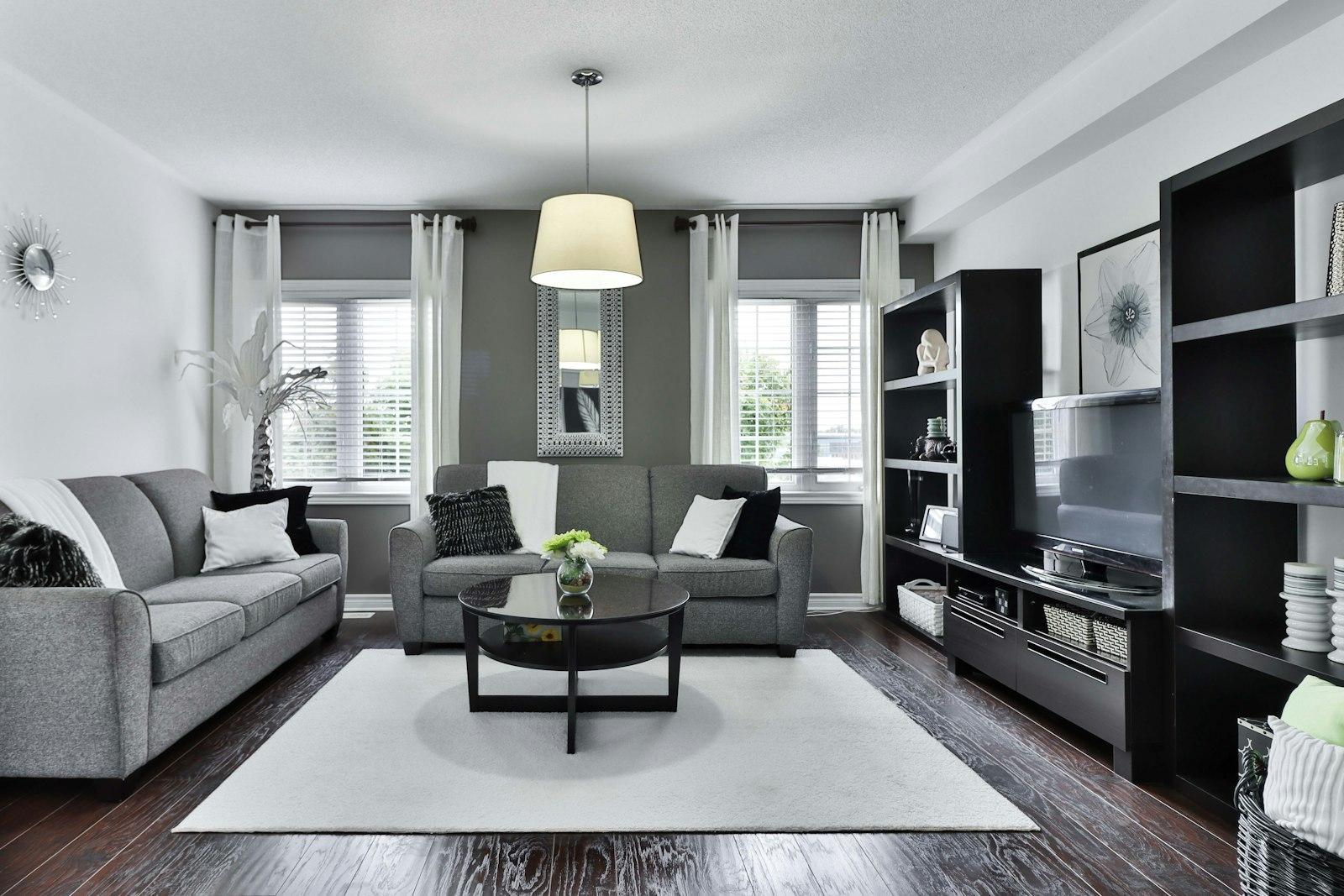
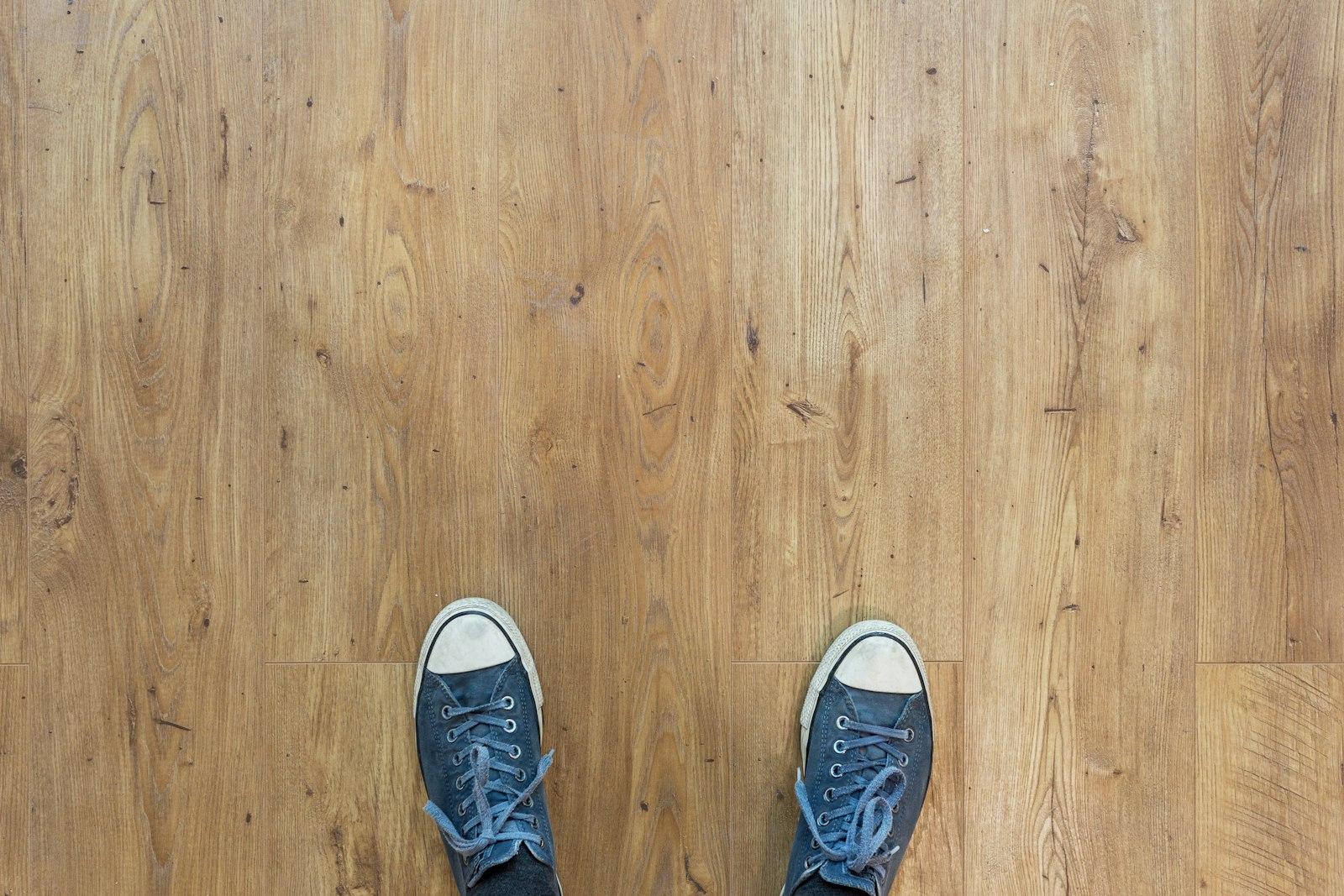
Comparison
Engineered timber has a real hardwood top layer bonded to a stable core, so it looks, feels and ages like solid wood and can usually be sanded and refinished at least once. Laminate uses a photographic image of wood under a very hard wear layer, which makes it more scratch resistant and generally more affordable, but it cannot be refinished. Choose engineered timber for authenticity and long life, laminate for toughness on a budget.
Real wood vs a picture of wood
Engineered timber is genuine wood. A layer of hardwood such as oak sits on top of a core of plywood or similar layers glued in alternating directions. That construction makes the board far more stable than solid timber when humidity changes, while the surface is still real timber with real grain, knots and colour variation.
Laminate is a high-density fibreboard core with a printed image of timber on top, sealed under a clear wear layer. The best modern laminates are convincing, with embossed texture that follows the grain, but up close and underfoot it is a reproduction rather than wood.
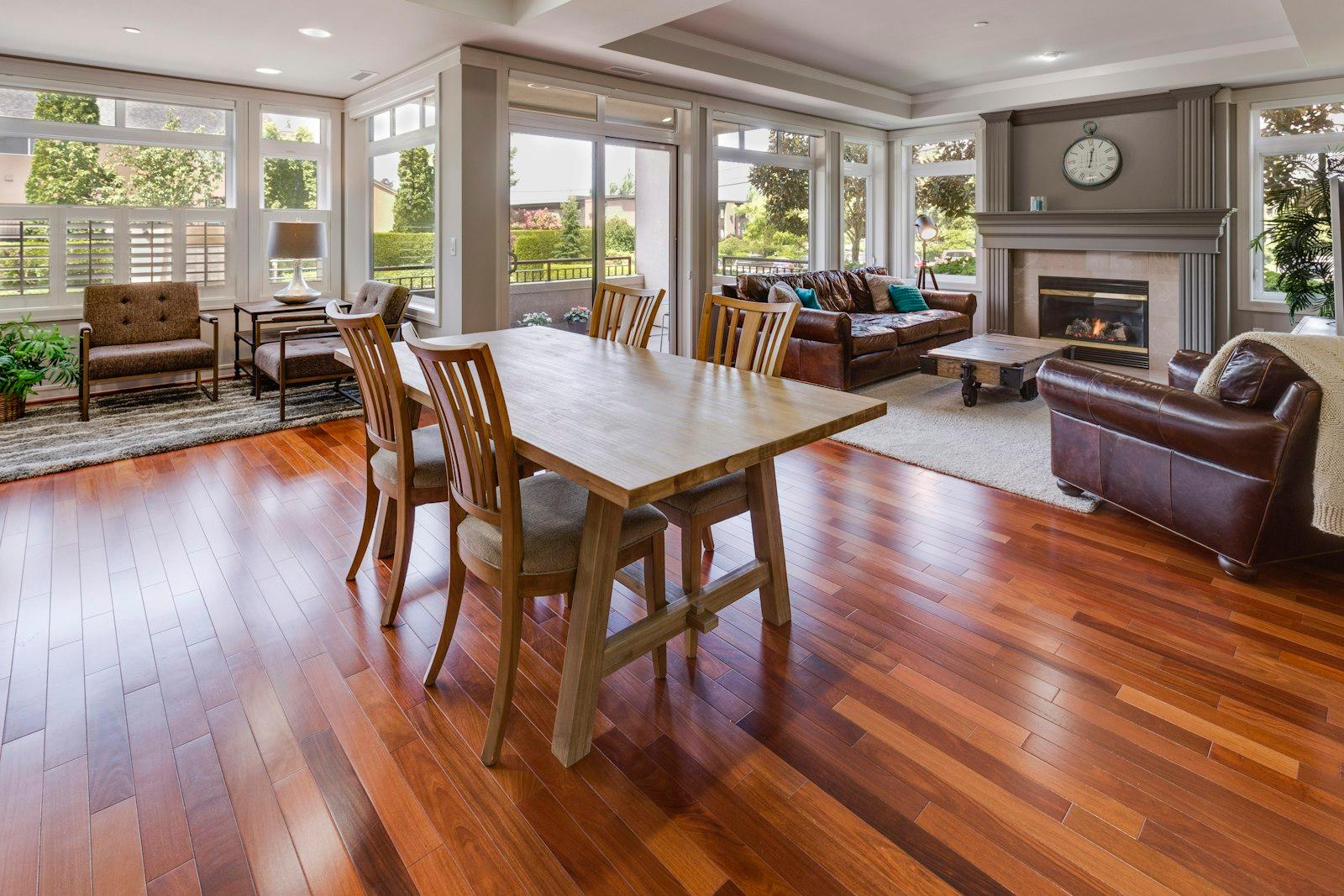
Durability: scratches, dents and water
Laminate's top layer is extremely hard. It shrugs off pet claws, toy cars and chair legs better than most timber finishes, which is why it is popular in busy family homes and rentals.
Timber is softer and will pick up marks over time. Many people like that lived-in patina; others would rather not see it. The finish matters a lot: oiled floors are easy to spot repair, lacquered floors are tougher day to day. Neither engineered timber nor laminate likes standing water, so neither is our first pick for bathrooms.
Sanding and lifespan
This is where engineered timber earns its keep. Depending on the thickness of the hardwood wear layer, an engineered floor can usually be sanded and refinished at least once, sometimes several times, bringing it back to near new after years of wear.
Laminate cannot be sanded. When it is worn through or badly damaged, boards are replaced. That is not a reason to avoid laminate, but it does mean the two floors sit on different timelines over the life of a home.
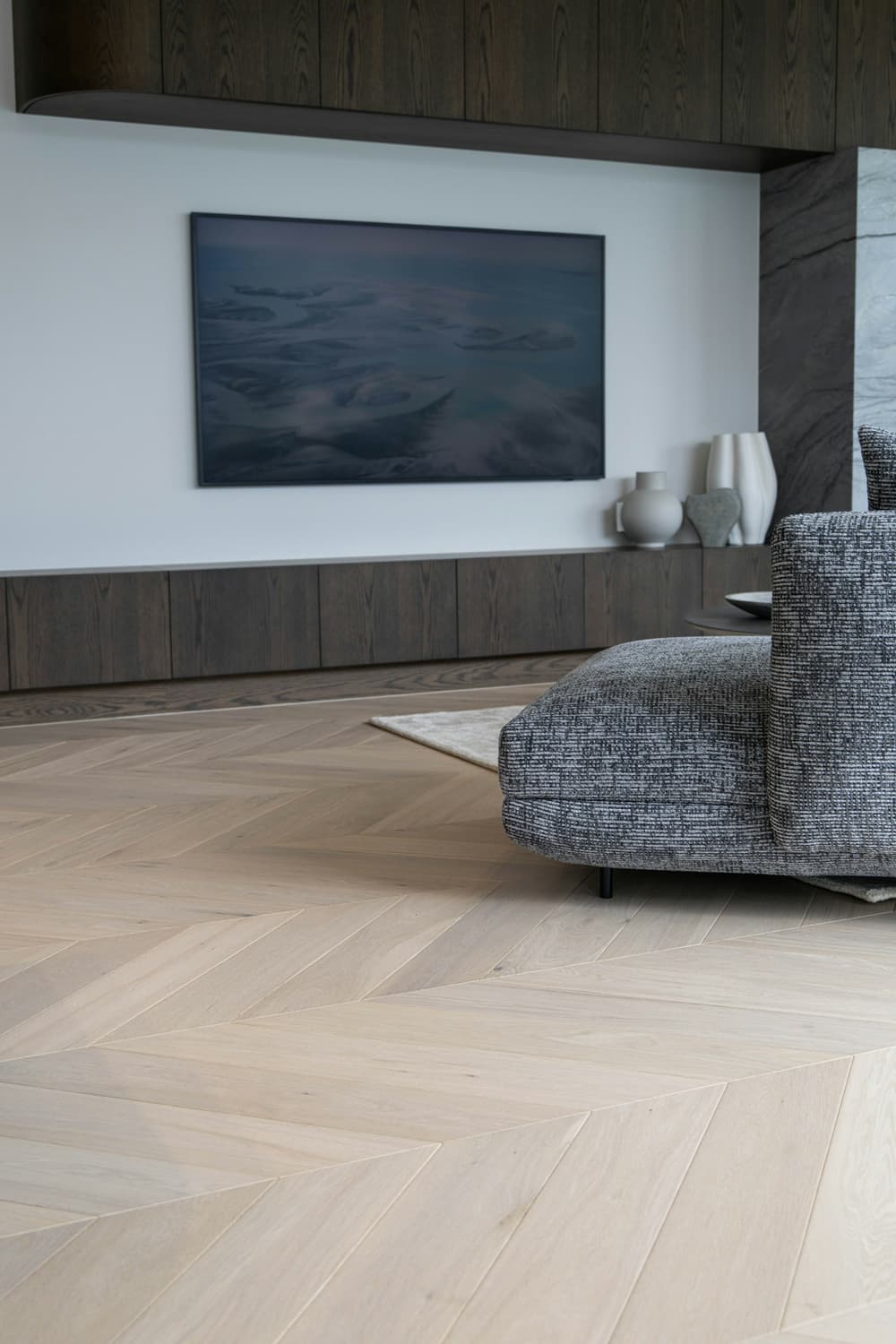
Feel, warmth and sound
Underfoot, engineered timber feels warmer and more solid, and it sounds like a timber floor. Laminate laid over a quality acoustic underlay can be close, but a cheap underlay makes it sound hollow and clicky. If you are choosing laminate, budget for a good underlay; it makes a bigger difference than most people expect.
How to decide
If you want the character of real wood and plan to stay in the home for many years, engineered timber is worth the extra investment. If you need a floor that handles kids, dogs and constant traffic without fuss, or you are flooring a rental, laminate is hard to beat for value.
We stock both in the showroom on Fairy Springs Road, so you can stand on them side by side and see how they look in daylight before you decide.
Laminate vs engineered timber at a glance
| Feature | Engineered timber | Laminate |
|---|---|---|
| Surface | Real hardwood veneer | Printed image under a wear layer |
| Scratch resistance | Moderate, depends on finish | Excellent |
| Can be refinished | Usually, at least once | No |
| Feel and sound | Warm, solid, natural | Firmer; depends on underlay |
| Typical cost | Higher | Lower |
The short version
- Engineered timber is real wood; laminate is a high-quality lookalike.
- Laminate is more scratch resistant; timber develops a natural patina.
- Engineered timber can usually be sanded and refinished; laminate cannot.
- Choose a good underlay with laminate to avoid a hollow sound.