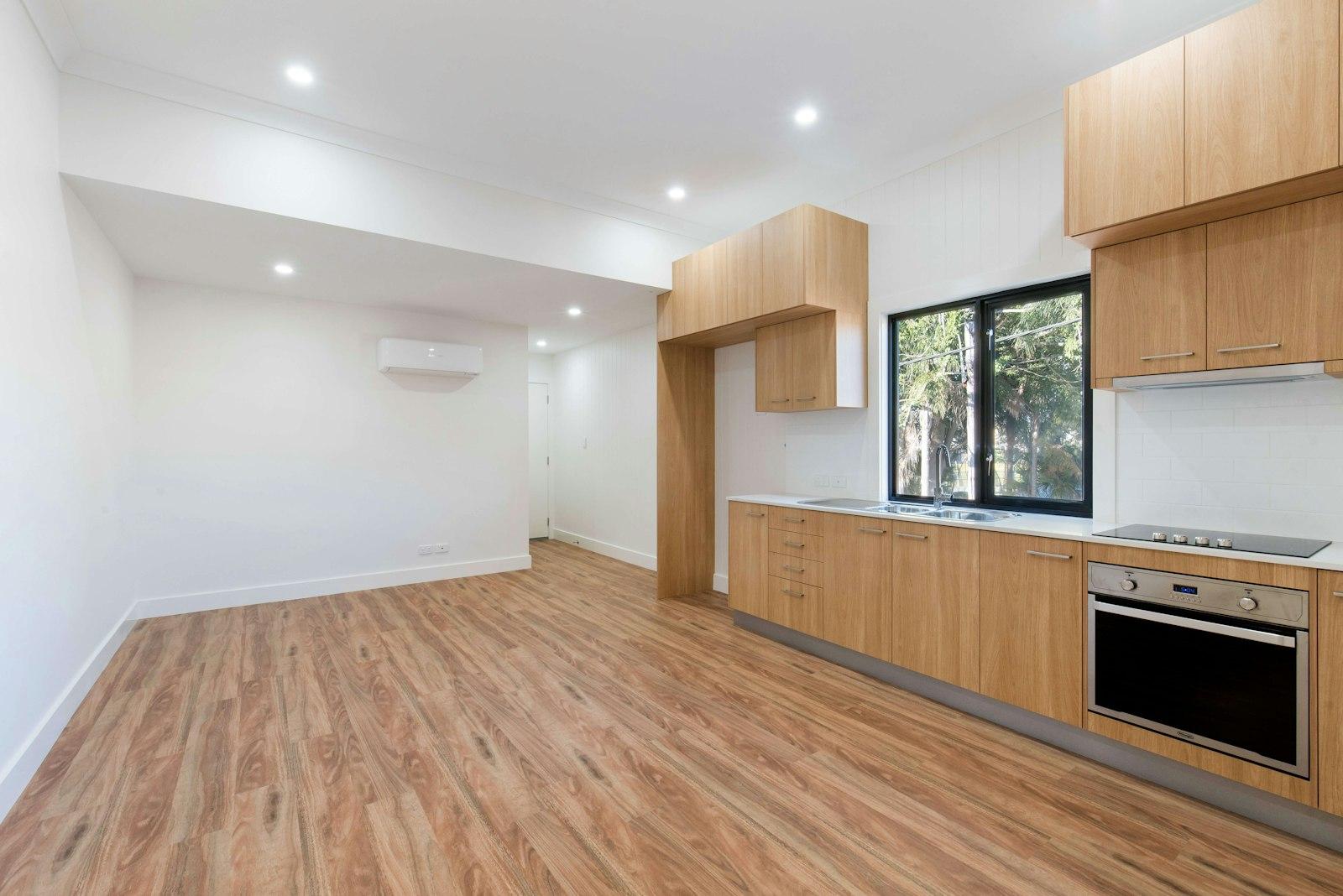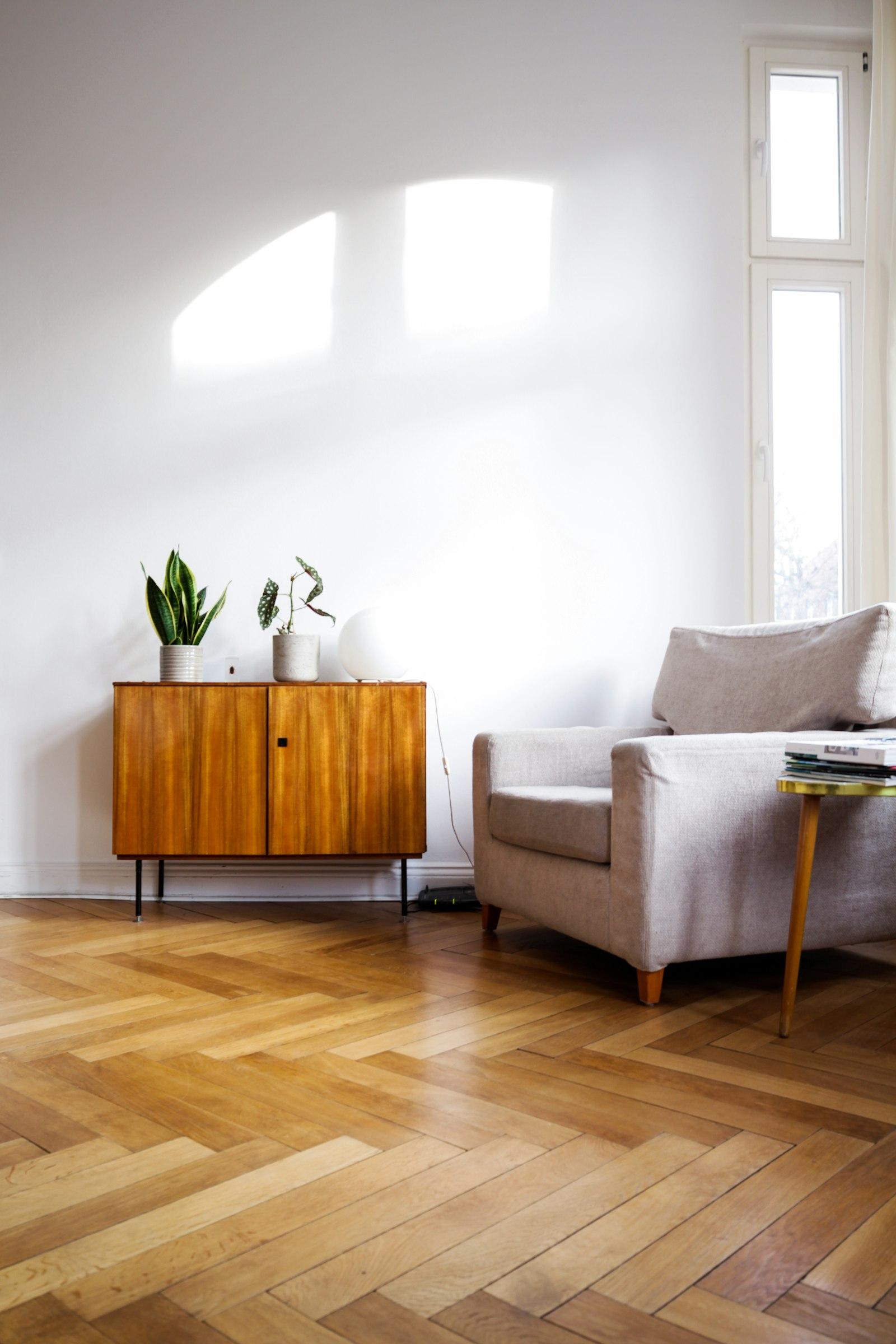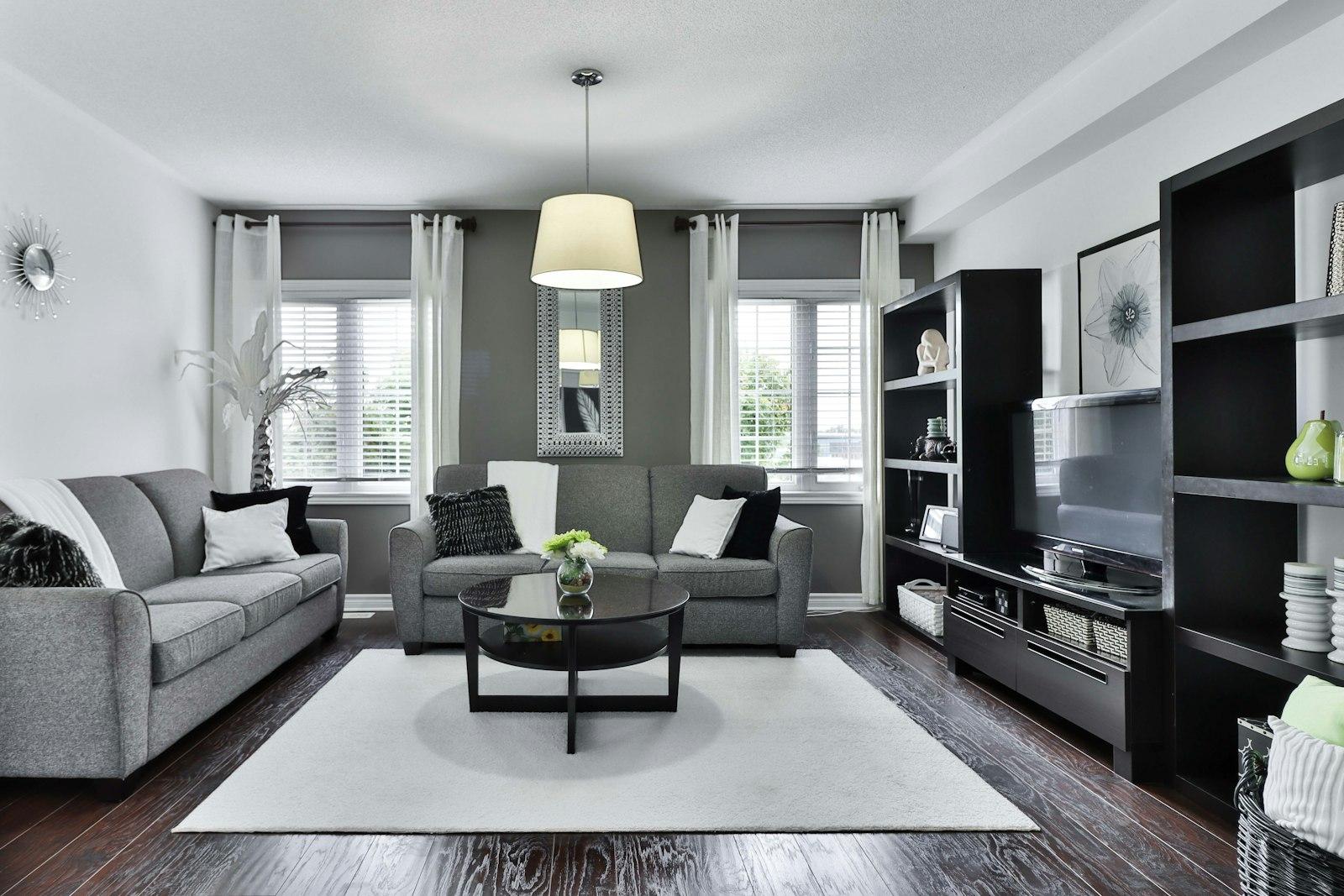
Comparison
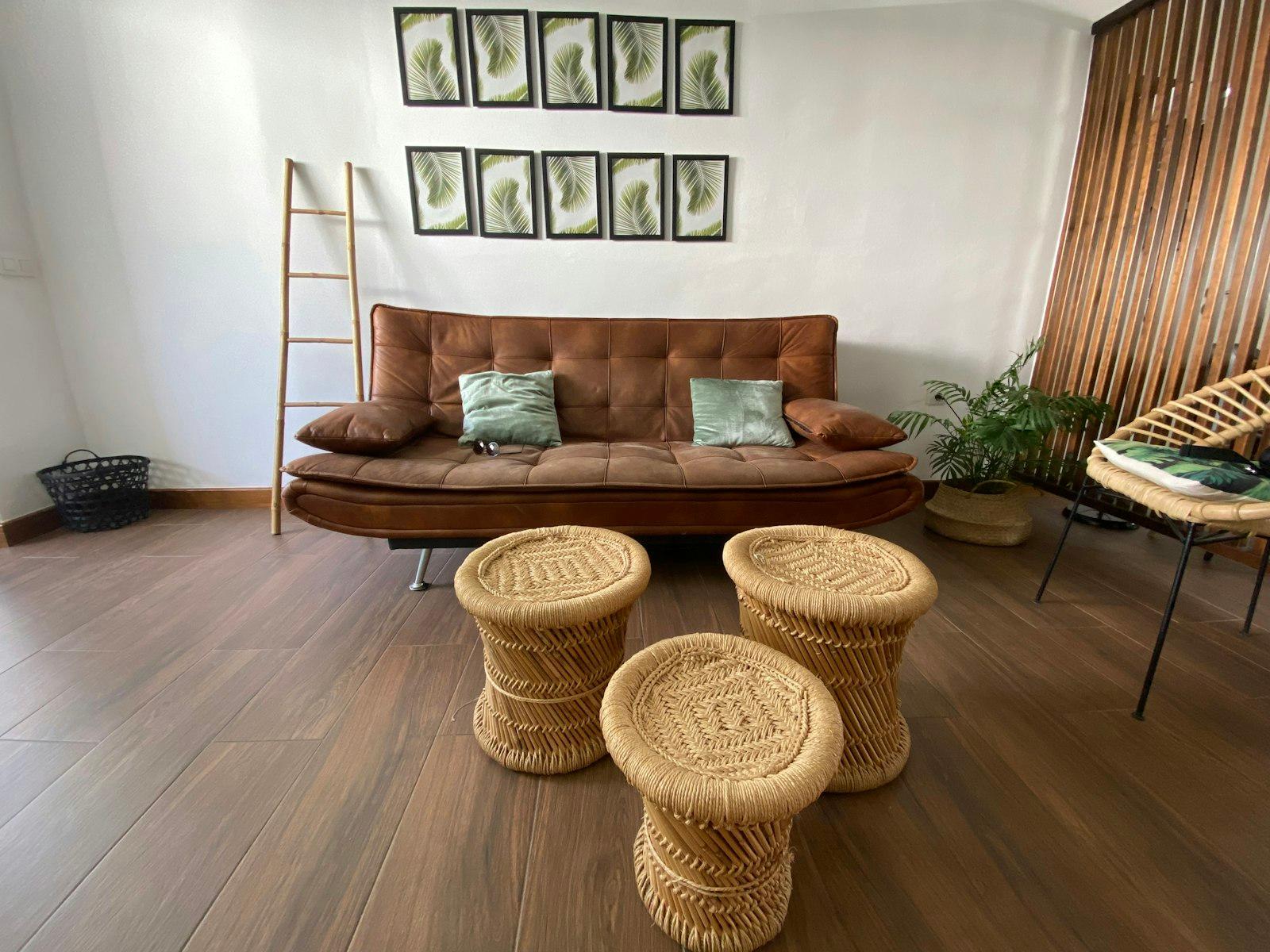
Vinyl and laminate both give you a wood or stone look for less than the real thing, but they are built differently. Vinyl (including LVT and hybrid) is plastic-based and waterproof, so it suits kitchens, bathrooms and laundries. Laminate has a compressed wood-fibre core that gives a firmer, more natural feel and excellent scratch resistance, but most laminate dislikes standing water. Choose vinyl for wet areas and laminate for dry, busy living spaces.
How each floor is made
Laminate is a layered board. At its heart is a high-density fibreboard (HDF) core made from compressed wood fibres. On top of that sits a printed photographic layer that gives the timber or stone look, then a clear, very hard wear layer that protects it. A backing layer underneath keeps the board stable. The boards click together and float over an underlay.
Vinyl is plastic-based. Luxury vinyl plank and tile (LVT) is a flexible PVC product with a printed design layer and a clear wear layer on top. Hybrid and rigid-core vinyl add a stiff stone-plastic or similar core so the planks click together like laminate. Sheet vinyl comes off a roll and covers a whole room with very few joins. Because there is no wood in the core, vinyl is unaffected by water in a way laminate is not.
Water: the biggest difference
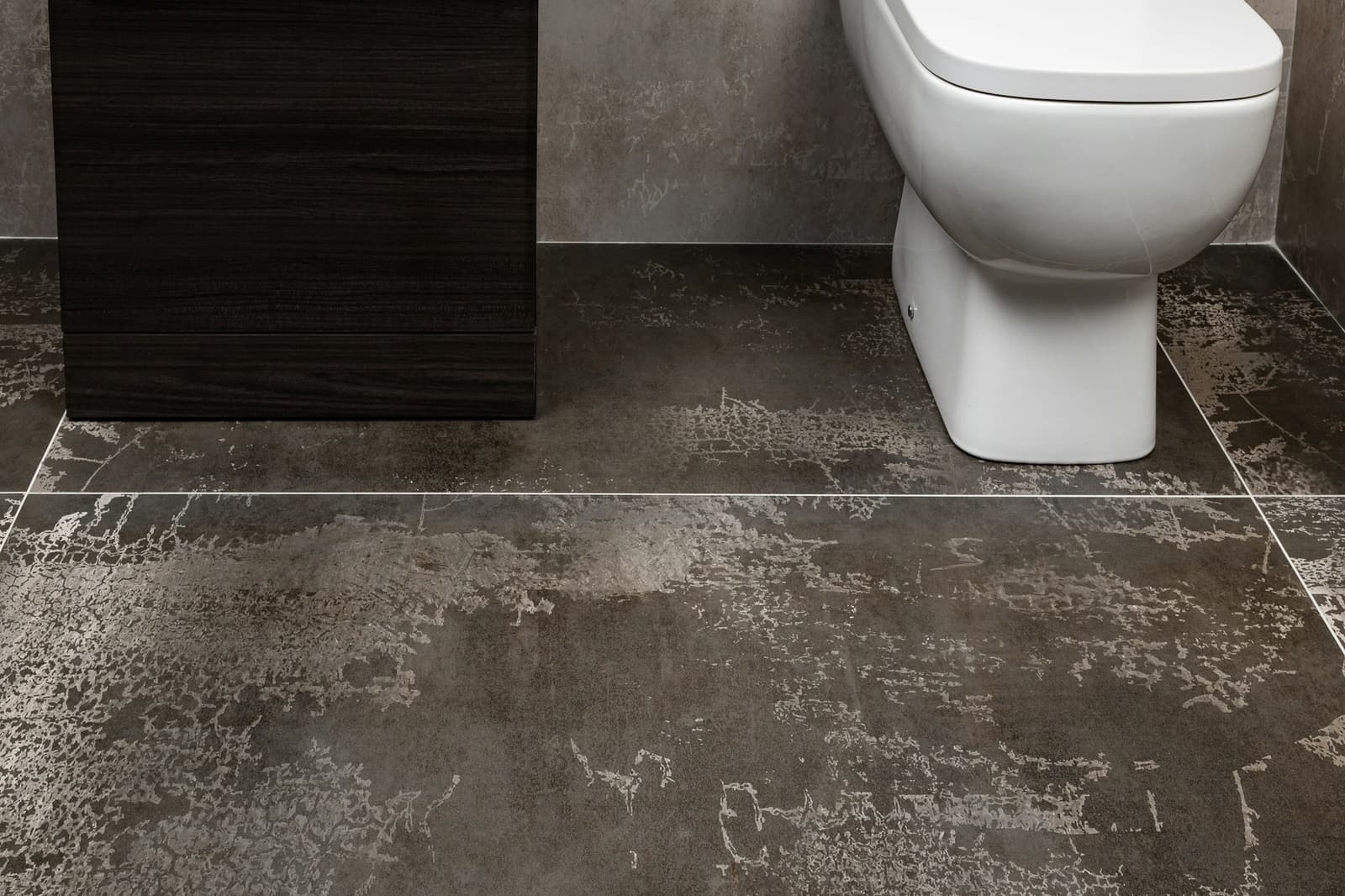
If a room gets wet, vinyl is usually the answer. Spills, wet feet and mopping will not swell a vinyl plank. That makes it the default choice for bathrooms, laundries, entryways and most kitchens.
Laminate has improved a lot and many modern ranges are described as water resistant, meaning they will cope with a spill that is wiped up promptly. What they generally will not cope with is water sitting on the floor or getting into the joints over time, because the wood-fibre core can swell. For a dry lounge, hallway or bedroom that is not an issue at all.
Feel, sound and comfort underfoot
Laminate feels firmer and more like timber when you walk on it. It is a thicker, stiffer board, and with a good acoustic underlay it sounds solid rather than hollow. Many people prefer it in living areas for exactly that reason.
Vinyl is a little softer and warmer to the touch, and it tends to be quieter underfoot than laminate laid without a quality underlay. Glue-down LVT in particular has a very quiet, settled feel. Rigid-core hybrid sits between the two.
Durability and everyday wear
Both floors are tough, but they resist different things. Laminate's hard top layer is excellent against scratches from pets, chairs and grit, which is why it does well in busy family rooms. Vinyl's wear layer handles scuffs and spills well and is forgiving if you drop something, but sharp grit and heavy furniture dragged across it can mark softer vinyl products.
Neither floor can be sanded and refinished like timber. A damaged laminate or click vinyl plank can usually be replaced individually, which is worth asking about when you choose a range. We can also leave you a few spare boards from your batch.
So which should you choose?
It is often not one or the other. Plenty of Rotorua homes we work in end up with vinyl in the kitchen, bathroom and laundry, and laminate or carpet through the living areas and bedrooms. The trick is matching each floor to how the room is actually used, then making the transitions between them neat.
Bring your floor plan and a few photos into the showroom, or book a free measure and we will talk you through the options room by room, including which products will work over your subfloor.
Vinyl vs laminate at a glance
| Feature | Vinyl (LVT / hybrid) | Laminate |
|---|---|---|
| Core | PVC or rigid stone-plastic core | High-density wood-fibre (HDF) |
| Water | Waterproof | Water resistant at best; dislikes standing water |
| Best rooms | Kitchens, bathrooms, laundries, entries | Living areas, hallways, bedrooms |
| Feel | Softer, warmer, quieter | Firmer, more like timber |
| Scratch resistance | Good | Excellent |
| Can be sanded | No | No |
The short version
- Vinyl is waterproof; most laminate is only water resistant.
- Laminate feels firmer and resists scratches very well.
- Use vinyl in wet areas and laminate in dry, busy living spaces.
- Many homes use both, with neat transitions between rooms.