Buying guide
The best floors for high-traffic areas are laminate, LVT and hybrid with a thicker wear layer, which resist scratches, scuffs and grit and wipe clean easily. If you prefer carpet in a hallway or on stairs, choose a dense, low-pile carpet in a resilient fibre with a firm underlay. Good entry mats are the cheapest way to make any floor last longer.
Where the wear happens
In most homes, the heaviest wear is concentrated in a few places: the entry, the main hallway, the stairs, the path through the kitchen and the spot in front of the couch. Grit carried in on shoes acts like sandpaper, so the areas closest to external doors suffer most.

Hard floors that hold up
Laminate is extremely scratch resistant and handles constant foot traffic well. LVT and hybrid with a heavier wear layer are also excellent, with the bonus of being waterproof, which helps in entries where wet shoes come in. When comparing products, look at the wear rating or wear layer thickness rather than the overall plank thickness.
Carpet in busy areas
Carpet can work well in hallways and on stairs if it is chosen for the job. Look for a dense, tight pile and a resilient fibre such as wool or quality nylon, which recover from crushing. Avoid long, loose piles that flatten into visible tracks. A firm underlay matters even more in busy areas than in bedrooms.
Making high-traffic floors last
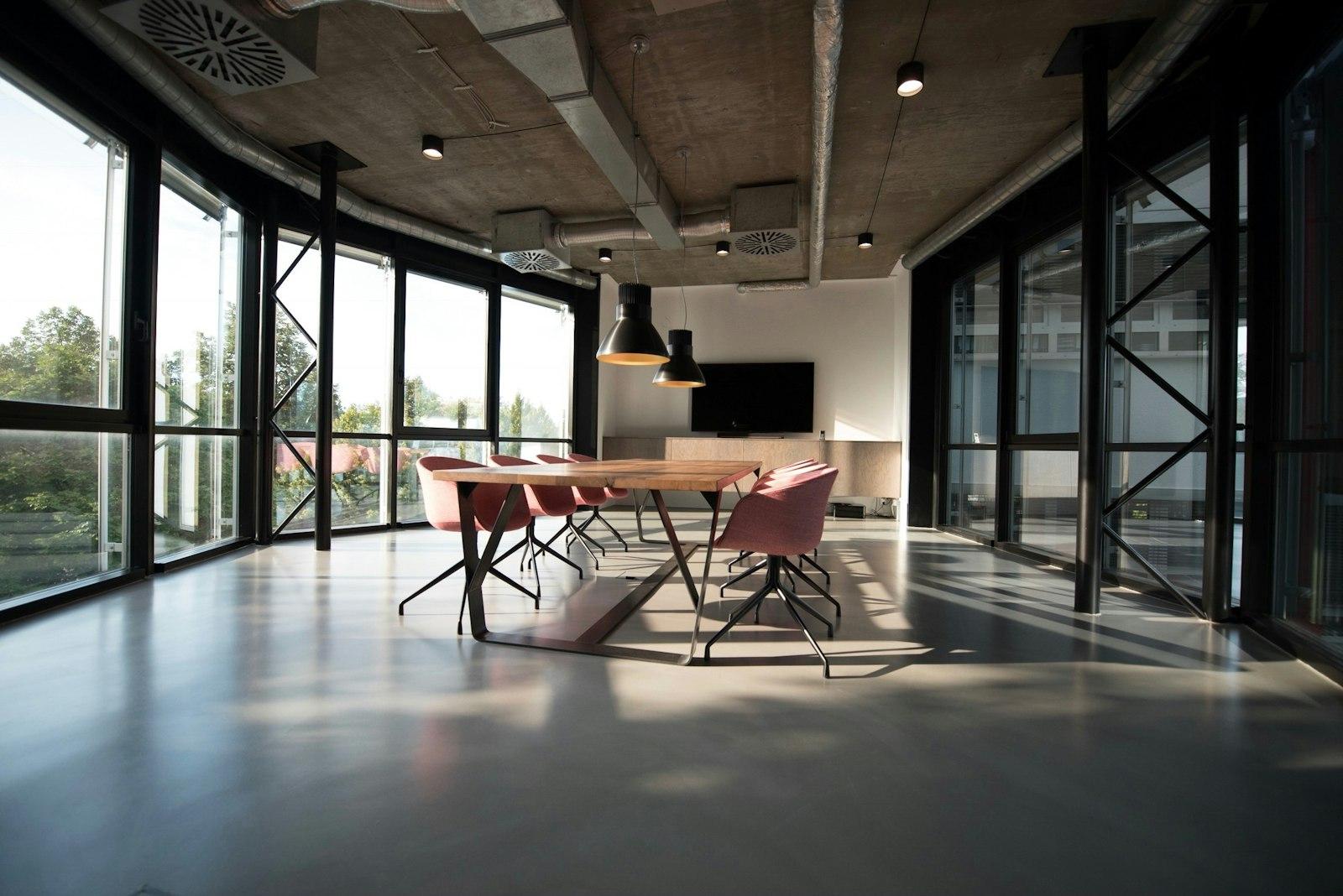
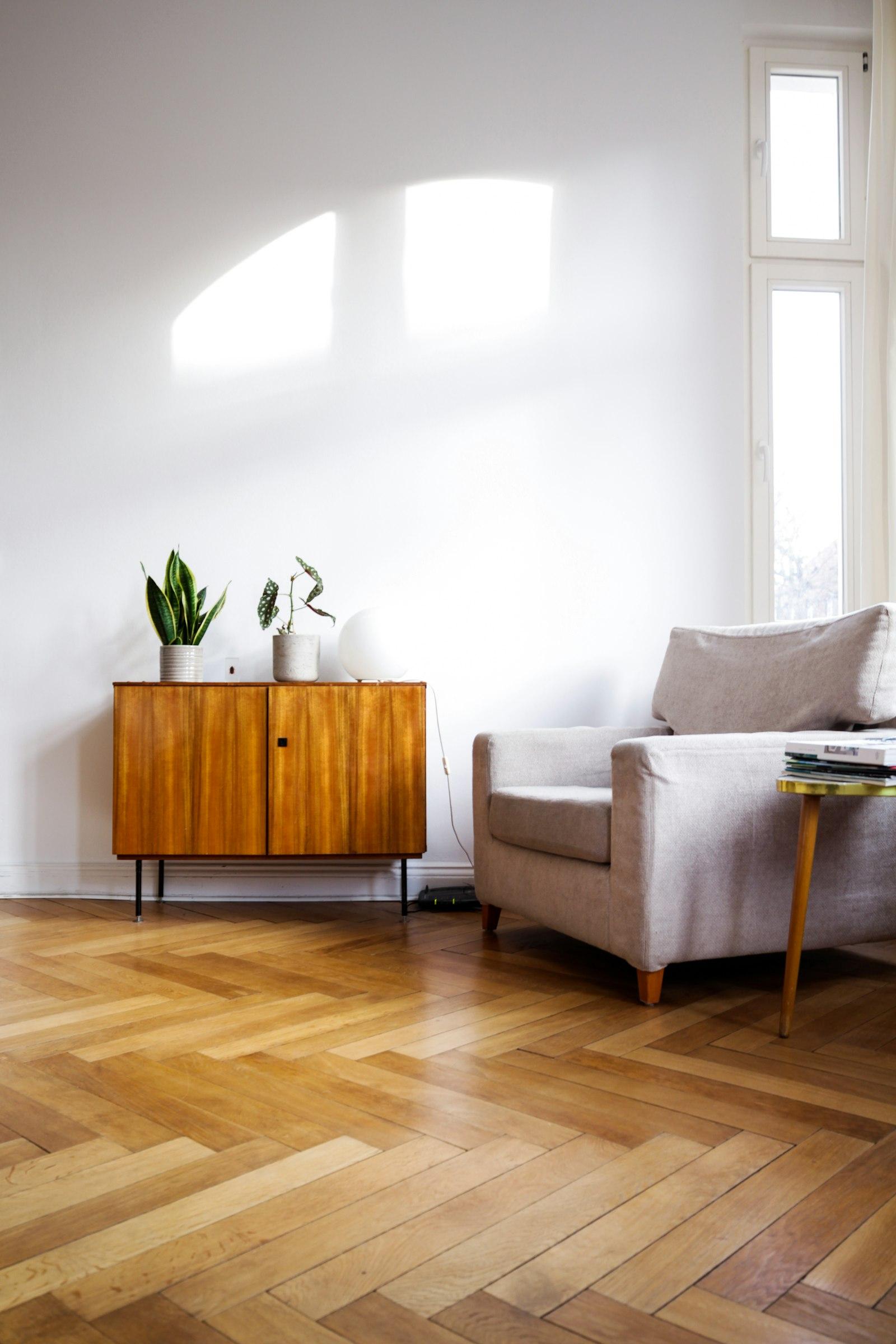
Put a quality mat outside and inside each external door. Vacuum hallways and entries often to remove grit. Use felt pads on furniture and chair legs. Choose mid-tone colours that hide dust and scuffs. For commercial spaces with very heavy traffic, ask us about commercial-grade vinyl and carpet tiles designed for that use.
The short version
- Laminate, LVT and hybrid with a strong wear layer suit high-traffic areas.
- For carpet, choose dense, low pile in a resilient fibre with firm underlay.
- Entry mats and regular vacuuming do the most to prevent wear.
- Commercial-grade products suit the very busiest spaces.