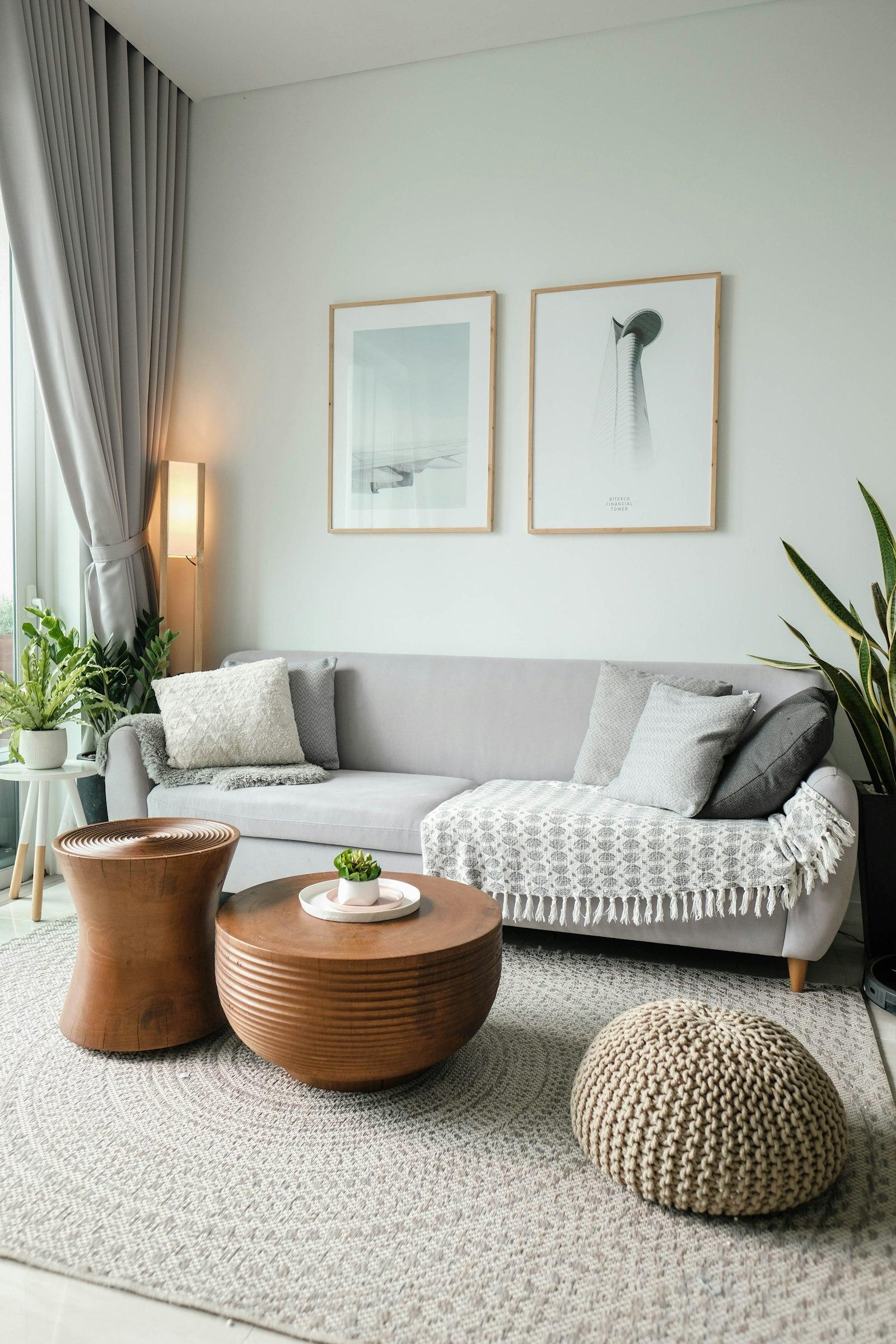
Comparison
Carpet is warmer, softer and quieter than any hard floor, which makes it ideal for bedrooms, lounges and upstairs rooms. Hard floors such as vinyl, laminate and timber are easier to wipe clean and handle spills, grit and heavy traffic better, so they suit kitchens, dining areas, hallways and entries. Most homes work best with a mix: carpet where you relax, hard flooring where you cook, eat and come in from outside.
Warmth and comfort
On a cold Rotorua morning, carpet wins. Carpet and a good underlay add a real layer of insulation between you and the subfloor, and the floor itself feels warm to bare feet. For bedrooms, kids' rooms and the lounge where you sit on the floor, nothing else is as comfortable.
Hard floors feel cooler underfoot. Rugs help, and timber and vinyl are warmer to the touch than tiles, but if warmth is the main goal carpet is the practical choice.
Noise
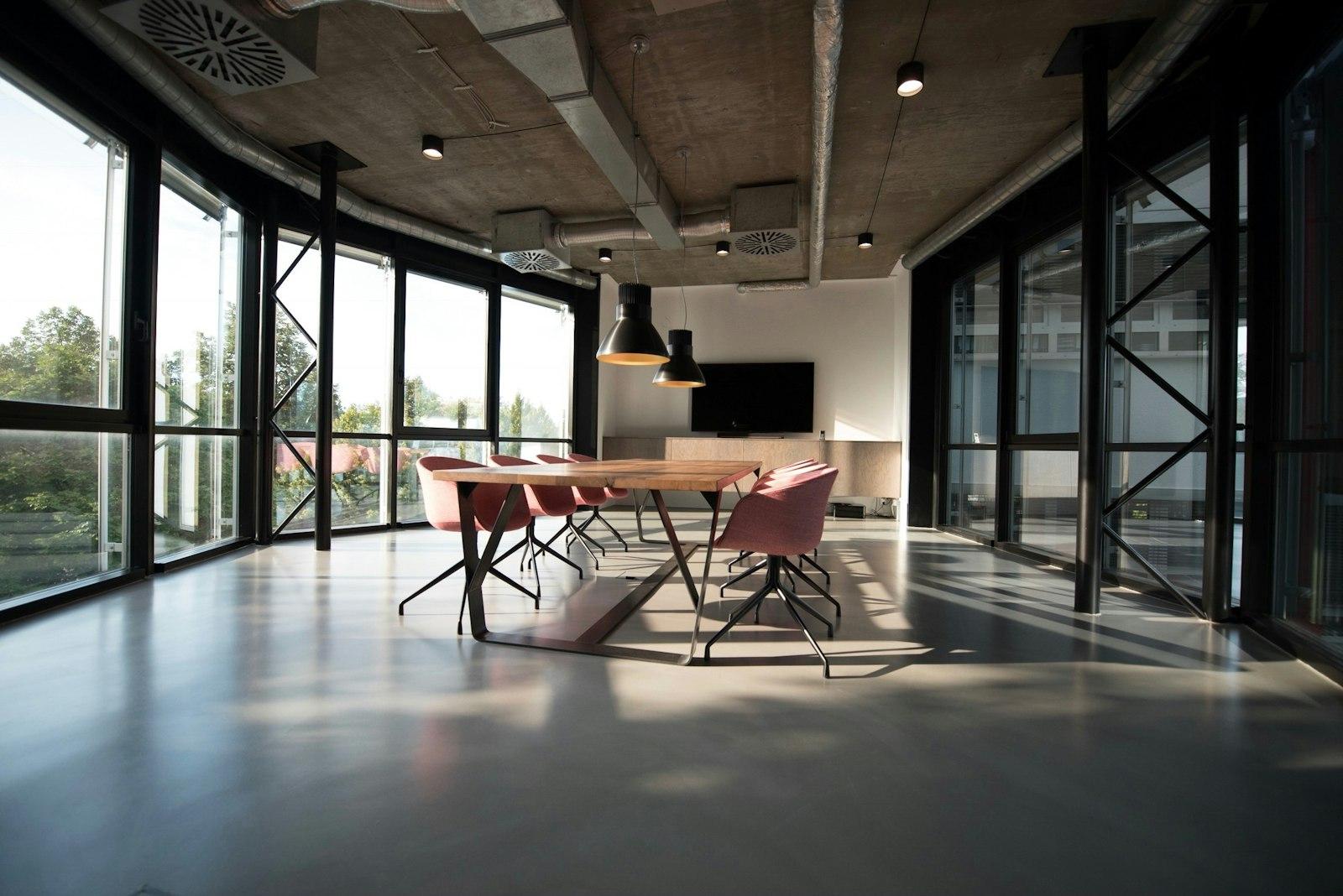
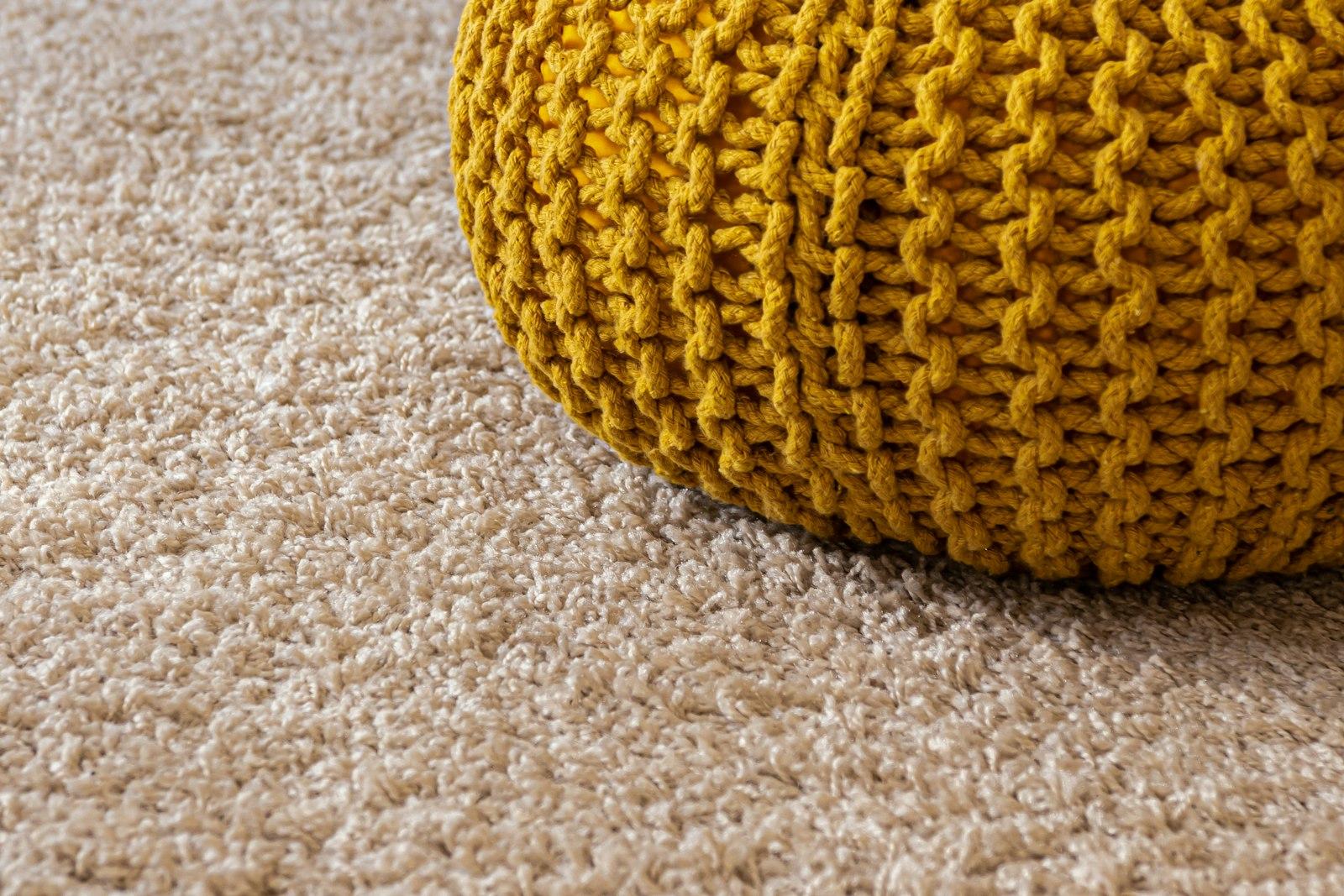
Carpet absorbs sound. It cuts footstep noise through the house and reduces echo in a room, which matters in two-storey homes, townhouses and open-plan spaces. Hard floors reflect sound, so a large open-plan room with hard flooring, high ceilings and big windows can feel loud. A quality acoustic underlay under laminate or click vinyl makes a noticeable difference.
Cleaning and allergies
Hard floors are quicker to clean. A vacuum and a damp mop deal with crumbs, mud and spills, and nothing soaks in. That is why they are the standard for kitchens and dining areas.
Carpet needs regular vacuuming and an occasional professional clean. On allergies, the picture is more mixed than people think: carpet traps dust and allergens until they are vacuumed up, rather than letting them float around, so a well-maintained carpet with a good vacuum can work fine for many allergy sufferers. If someone in the house has severe allergies, talk to us about the options.
Durability and wear patterns
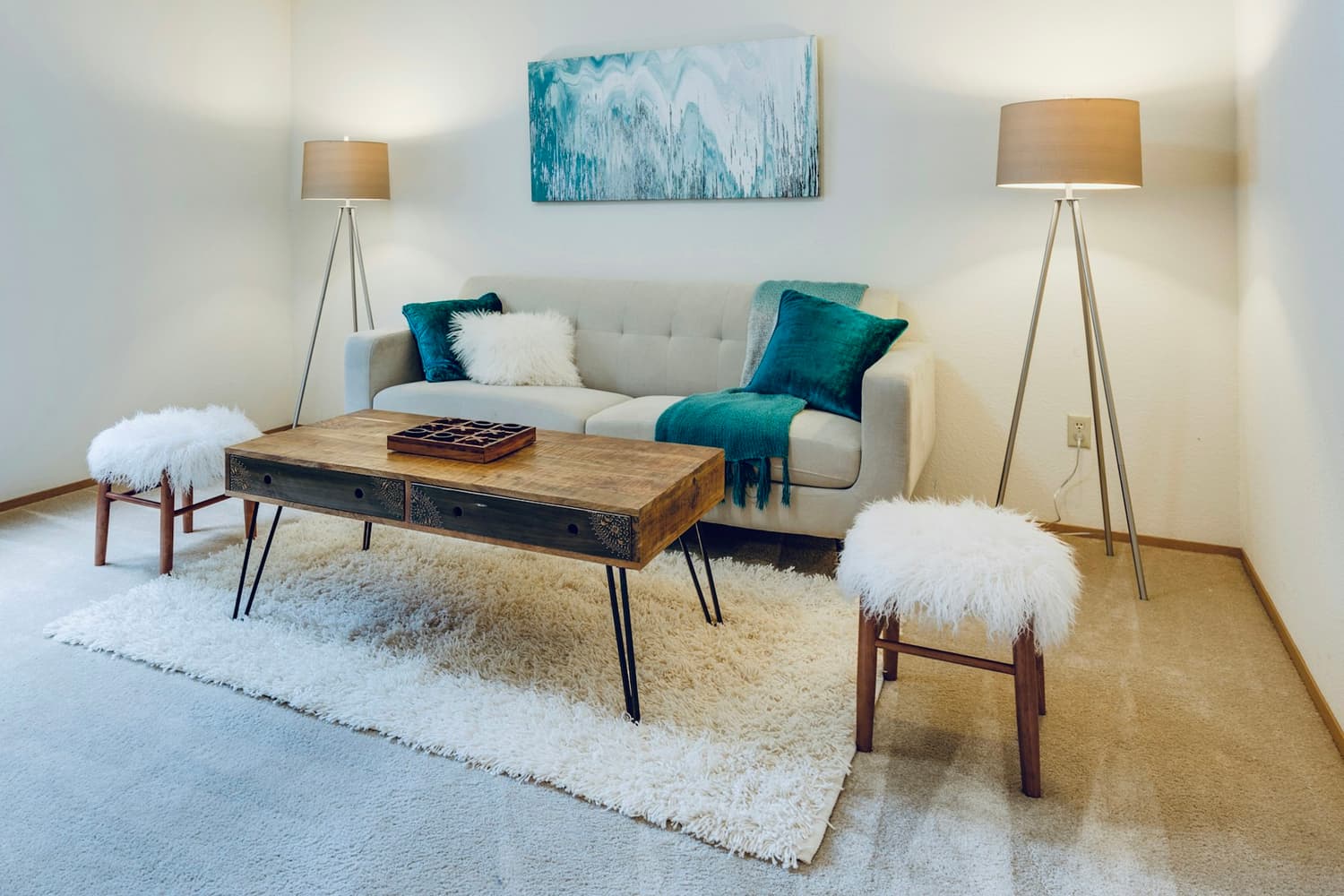
Hard floors handle heavy traffic, grit and wheeled chairs better, and they do not show wear paths the way carpet can in a busy hallway. Carpet in high-traffic areas lasts longest when you choose a fibre and construction rated for that use, and pair it with a firmer underlay.
A typical room-by-room mix
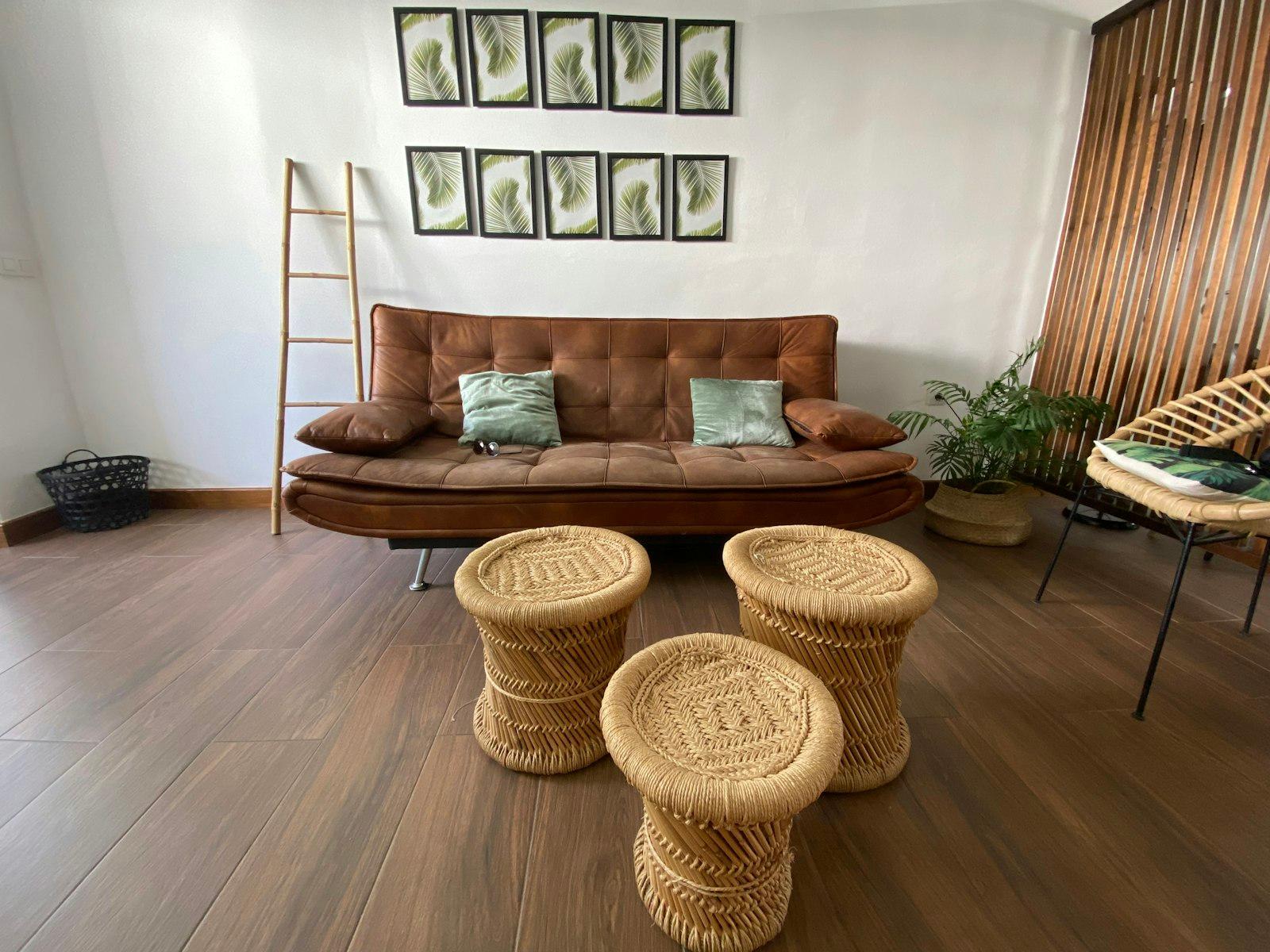
In most of the homes we floor, the split looks something like this: vinyl or hybrid in the kitchen, bathroom, laundry and entry; laminate, vinyl or timber through open-plan living and hallways; carpet in bedrooms, the lounge and upstairs. Getting the transitions right, with matching heights and neat trims, is what makes a mixed floor look intentional.
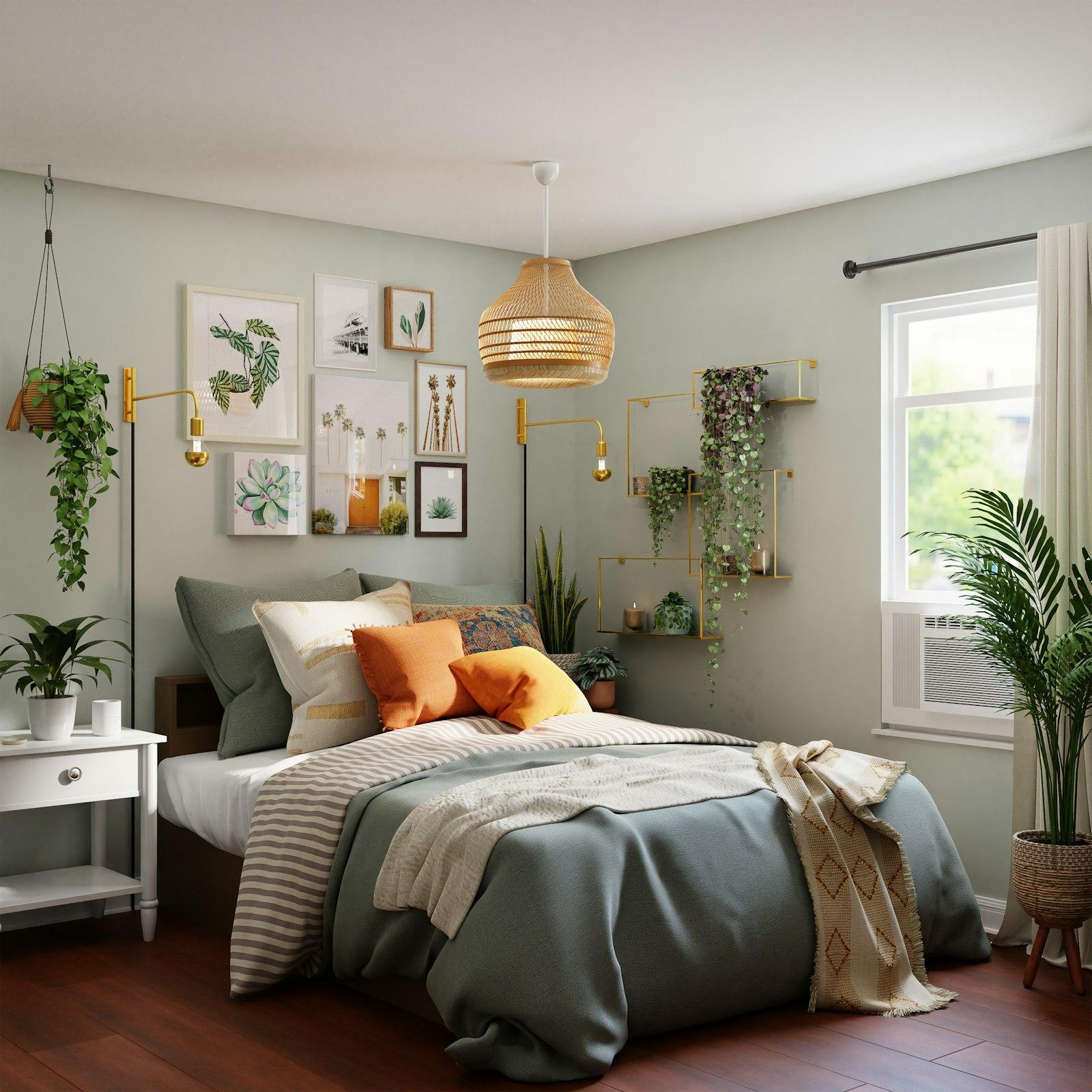
- Bedrooms: carpet for warmth and quiet
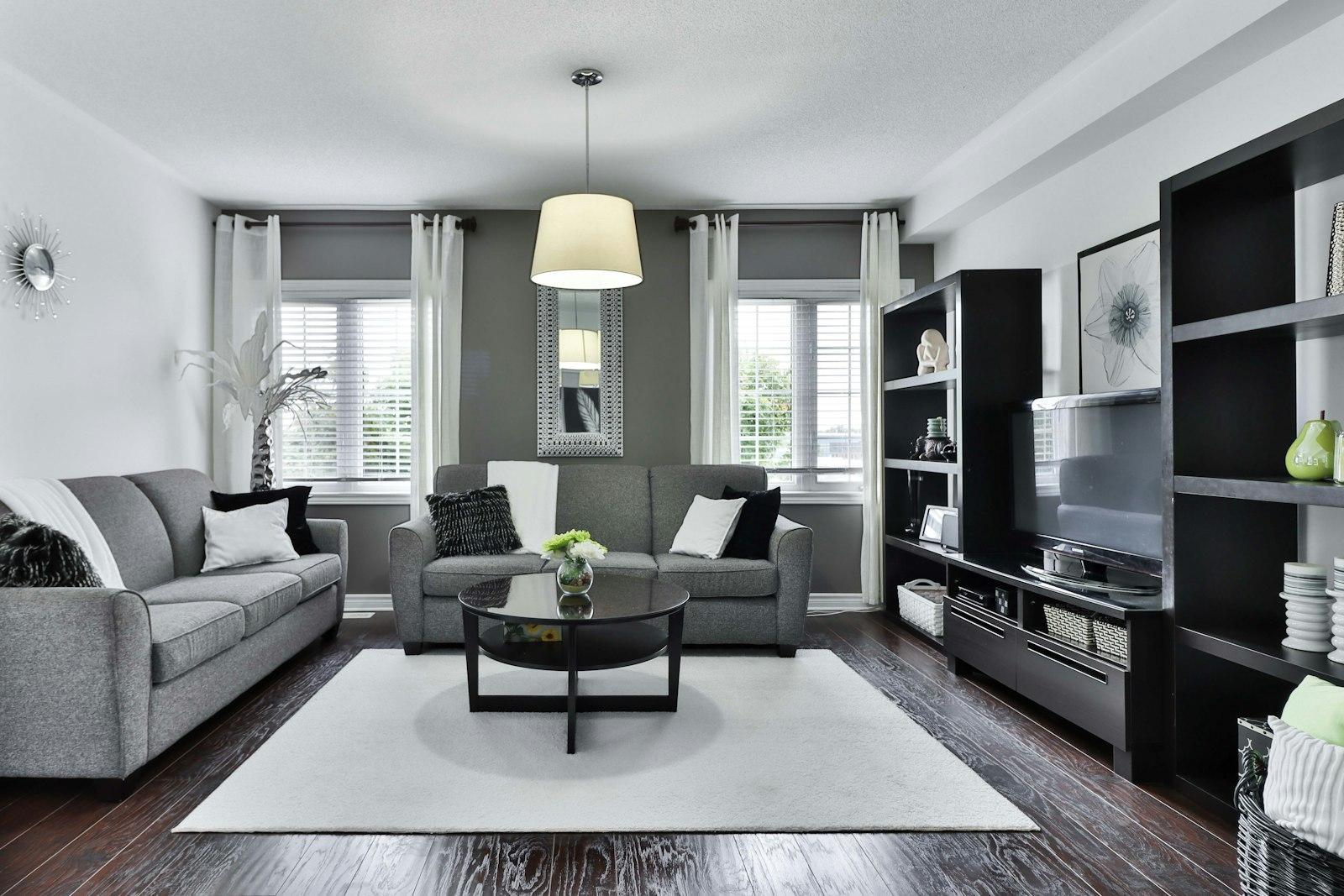
- Lounge: carpet, or timber/laminate with a large rug
- Kitchen and dining: vinyl, hybrid or water-resistant laminate
- Bathrooms and laundry: vinyl or sheet vinyl
- Hallways and entries: hard flooring or a hard-wearing carpet
The short version
- Carpet is warmer, softer and quieter; hard floors are easier to clean.
- Use carpet where you relax and hard floors where you cook, eat and enter.
- A good underlay improves both carpet comfort and hard-floor acoustics.
- Neat transitions make a mixed-floor home look planned.